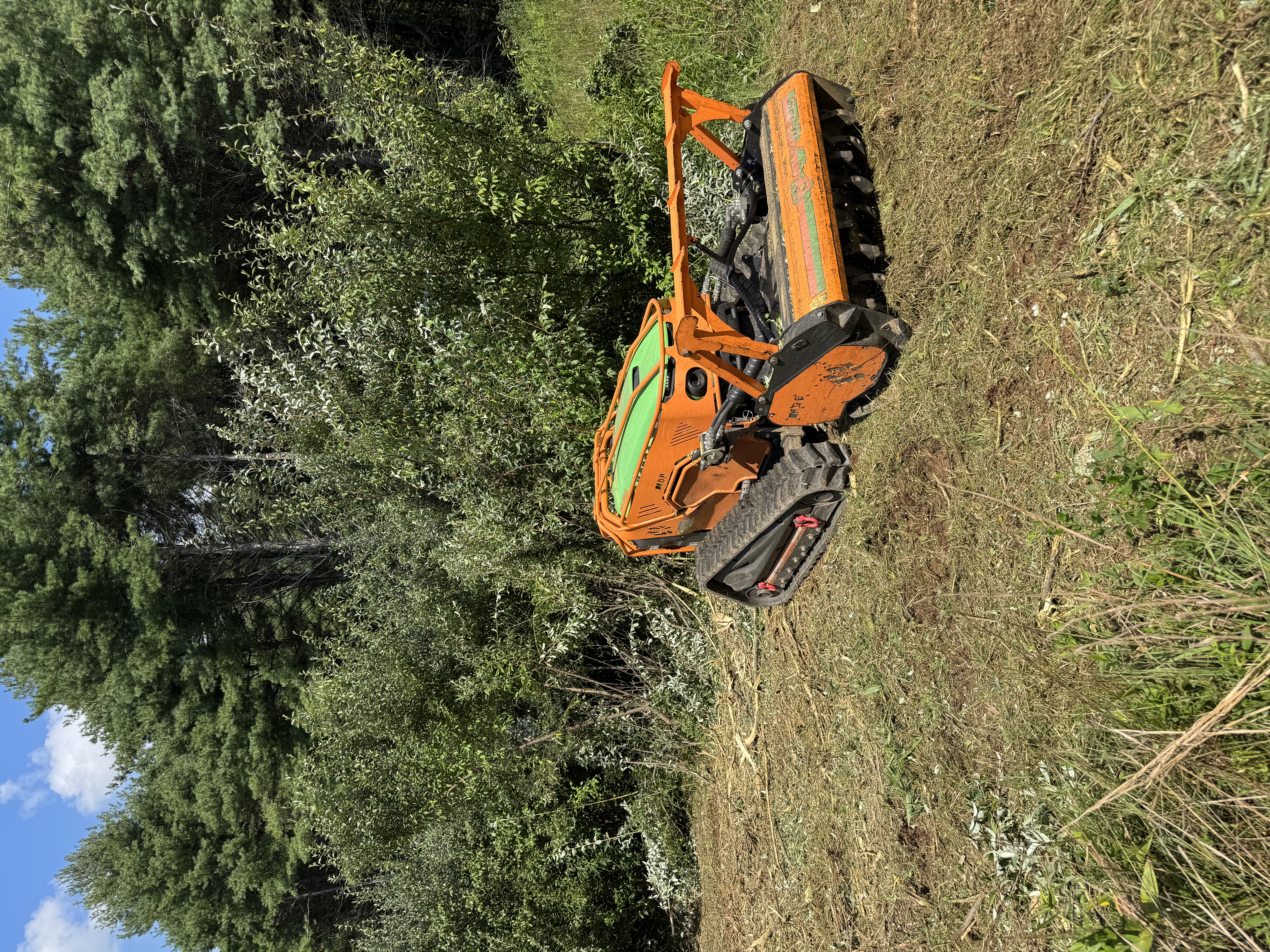
Balancing Growth and Conservation: Strategies for Modern Land Management Apr 12, 2026
The landscape of modern land management presents unique challenges. On one hand, there is the ever-increasing demand for land for urban development, agriculture, and infrastructure. On the other hand, there is an urgent need to protect biodiversity and natural habitats from further depletion. To achieve this balance, land management strategies must be innovative and adaptable.
One effective approach is the implementation of integrated land use planning. This strategy involves collaboration among various stakeholders, including government agencies, local communities, and private businesses. By working together, these groups can develop comprehensive plans that address the diverse needs of the environment, economy, and society. Integrated planning ensures that development projects are strategically located, minimizing their environmental impact while maximizing their social and economic benefits.
Sustainable land management practices are another essential component of balancing growth and conservation. These practices include soil conservation, water management, and the use of native vegetation. By adopting sustainable techniques, land management companies can maintain the health of ecosystems and support long-term economic viability. For example, controlled grazing and crop rotation are proven methods that prevent soil erosion and improve soil fertility, benefiting both the environment and agricultural productivity.
Conservation easements are a powerful tool for preserving natural landscapes. Through these legal agreements, landowners can restrict development on their property, safeguarding critical habitats and natural resources. Mountain Goat Land Management can assist in negotiating and implementing these easements, providing landowners with the necessary support to align conservation with their property goals. These agreements can offer financial benefits, such as tax incentives, making conservation an appealing option for landowners committed to protecting the environment.
Education and community engagement are pivotal in nurturing a culture of conservation. By raising awareness about the importance of biodiversity and the consequences of land degradation, Mountain Goat Land Management can empower communities to participate actively in conservation efforts. Workshops, seminars, and community projects can foster a sense of stewardship, encouraging individuals to embrace sustainable land use practices in their daily lives.
Technology plays an increasingly important role in modern land management. Geographic Information Systems (GIS) and remote sensing technologies provide valuable data that helps in monitoring land use changes and assessing environmental risks. By leveraging these technologies, land management companies can make informed decisions, optimize resource allocation, and track the progress of conservation efforts.
In conclusion, balancing growth with conservation in land management is no small feat, but it is achievable with the right strategies. By focusing on integrated planning, sustainable practices, conservation easements, community engagement, and technology, companies like Mountain Goat Land Management can lead the way toward a more sustainable future. These strategies not only help in preserving our natural heritage but also ensure that development occurs in a way that benefits current and future generations. Through thoughtful action and collaboration, we can chart a path that respects both the earth and the needs of its inhabitants.
/filters:no_upscale()/filters:format(webp)/media/fb9845f9-90f5-4e95-8b69-6be4ea7ae1ea.jpeg)
/filters:no_upscale()/filters:format(webp)/media/f827ac21-9e11-4f9e-8b27-63bf5b2b2f3d.jpg)