Effective Wildlife Preservation through Strategic Land Management Mar 17, 2026
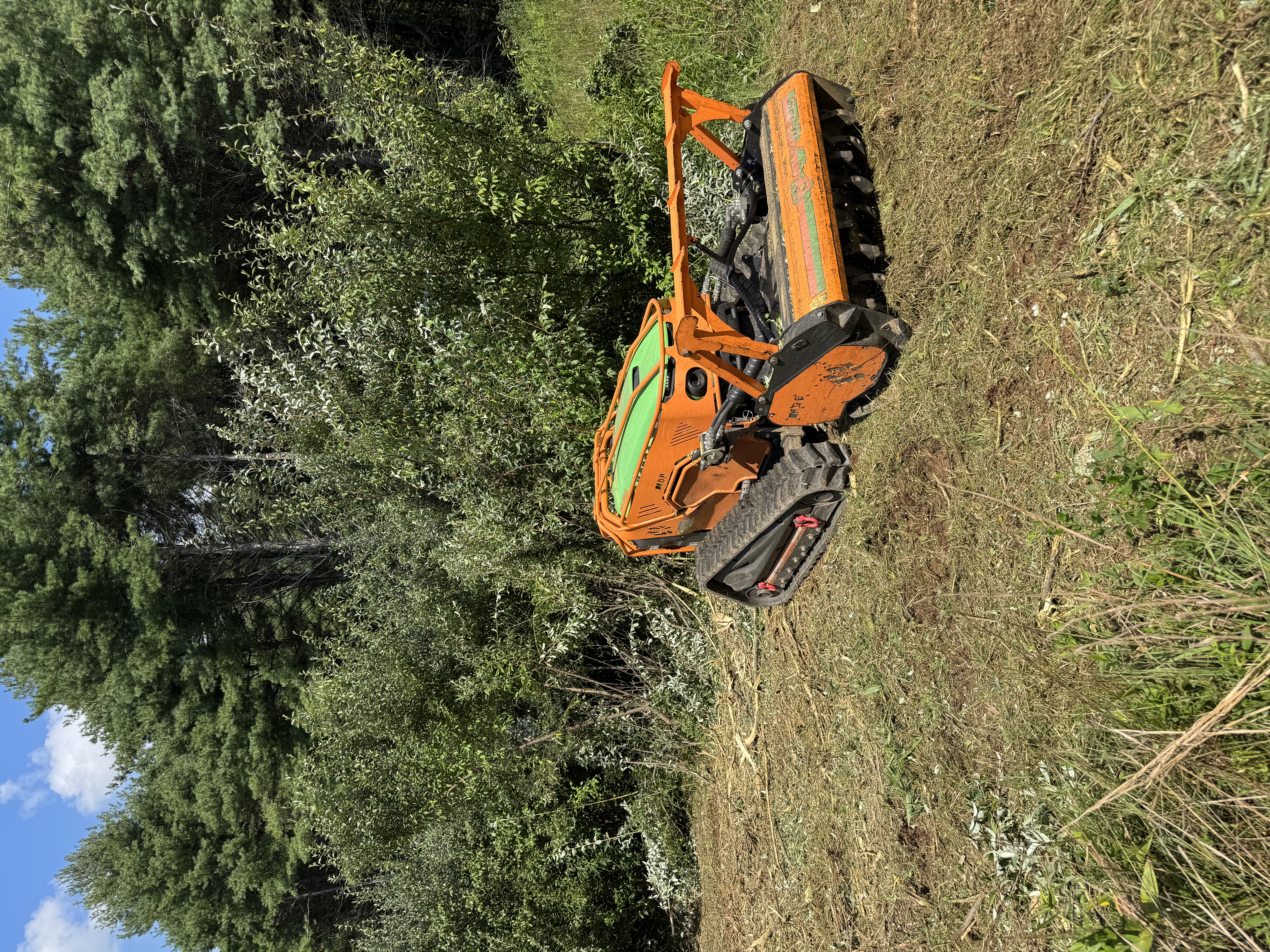
Understanding the critical role strategic land management plays in wildlife preservation begins with recognizing how land use directly impacts animal habitats. Preserving wildlife involves not just setting aside land as a sanctuary but actively managing these areas to enhance their ecological value. This is where expertise from companies like Mountain Goat Land Management becomes indispensable. They offer tailored solutions that consider the specific needs of the local ecosystem, effectively contributing to both land vitality and wildlife well-being.
One of the key strategies in effective land management for wildlife preservation is habitat improvement. This involves activities such as reforestation, water resource management, and the removal of invasive species—each of which helps restore and enhance natural habitats. For instance, planting native trees and shrubs not only provides food and shelter for wildlife but also improves soil quality and controls erosion, further stabilizing the ecosystem. Through strategic plans developed by land management experts, such initiatives can be seamlessly implemented to maximize habitat quality and biodiversity.
Another essential element is the design and maintenance of wildlife corridors. Corridors are essential in connecting fragmented habitats, allowing animals to migrate and interbreed freely, which is critical for the survival of many species. Without these connections, populations can become isolated, leading to decreased genetic diversity and increased vulnerability to environmental changes. Mountain Goat Land Management assists in identifying key areas for corridor creation, ensuring that wildlife populations remain robust and resilient.
Furthermore, the integration of sustainable agricultural practices is vital for balancing land use and wildlife conservation. Practices such as crop rotation, agroforestry, and organic farming not only boost agricultural productivity but also support wildlife. By reducing reliance on chemical pesticides and fertilizers, these practices help maintain clean waterways and soil integrity, benefiting both agriculture and natural ecosystems. Mountain Goat Land Management provides guidance on implementing these techniques, offering a sustainable path forward.
Community involvement is also an important factor in successful wildlife preservation through land management. Educating and engaging local communities fosters a sense of stewardship and responsibility towards the environment. Community-based conservation programs help locals understand the ecological and economic benefits of conservation, encouraging practices that support both wildlife and human livelihoods. Mountain Goat Land Management often collaborates with local stakeholders to develop initiatives that promote community participation and education.
Strategic land management is essential for effective wildlife preservation. Companies like Mountain Goat Land Management play a pivotal role by offering expertise and solutions tailored to the unique needs of each landscape. Through habitat improvement, wildlife corridors, sustainable farming, and community involvement, they ensure that both land and wildlife are preserved for future generations.
In conclusion, effective wildlife preservation through strategic land management is not only possible but necessary. By leveraging professional expertise and working collaboratively with communities, we can create thriving environments where both nature and humans prosper. Engaging with experienced land management services ensures that we continue to make strides towards a sustainable future, safeguarding our natural heritage while supporting economic growth and development.
/filters:no_upscale()/filters:format(webp)/media/fb9845f9-90f5-4e95-8b69-6be4ea7ae1ea.jpeg)
/filters:no_upscale()/filters:format(webp)/media/f827ac21-9e11-4f9e-8b27-63bf5b2b2f3d.jpg)