Pioneering Sustainable Land Use: Strategies for the Future Jun 23, 2026
To begin, it's important to recognize the diverse implications of sustainable land use. It involves creating a harmonious interaction between human activities and nature, ensuring that we do not deplete resources beyond their recovery capability. This idea is particularly relevant for property owners and developers looking to utilize land efficiently without compromising future use.
One fundamental strategy for sustainable land management is adopting precision agriculture practices. This involves utilizing advanced technologies such as satellite imagery and GPS systems to monitor crop growth and soil health. By applying these tools, land managers can enhance yield efficiency and reduce waste, fostering an eco-friendly agricultural environment. These technologies allow for the precise application of water, fertilizers, and pesticides, minimizing their adverse impact on surrounding ecosystems.
There's also a significant emphasis on reforestation and afforestation in sustainable land use practices. Trees play a crucial role in regulating the earth’s climate by absorbing carbon dioxide and providing oxygen. Initiatives that focus on planting trees not only improve air quality but also stabilize soils and prevent erosion. Landowners can collaborate with local communities and environmental groups to implement reforestation projects that provide long-term ecological benefits.
Another effective approach is the integration of renewable energy sources in land management plans. Installing solar panels, wind turbines, or utilizing biogas can significantly reduce reliance on non-renewable resources, thus diminishing the ecological footprint of a property. Moreover, switching to renewable energy is often accompanied by long-term cost savings, making it not only an environmentally sound choice but also an economically viable one.
Community engagement and education about sustainable practices can greatly enhance their adoption. By involving local communities in decision-making processes and educating them on the benefits of sustainable land use, land managers can foster a sense of ownership and cooperation. Workshops, seminars, and educational campaigns can be powerful tools in raising awareness and commitment to sustainability.
It's crucial to assess land capability before initiating any land use project. Conducting thorough environmental impact assessments can identify potential risks and benefits associated with different management strategies. By understanding the unique characteristics of the land, projects can be tailored to minimize negative impacts on biodiversity while maximizing usage.
As we look to the future, the role of technology, policy, and community involvement will continue to expand in importance. Advances in technology will provide new tools for monitoring and managing land resources, enabling more precise and efficient practices. Additionally, supportive policies at both government and local levels will be necessary to incentivize sustainable practices and ensure compliance.
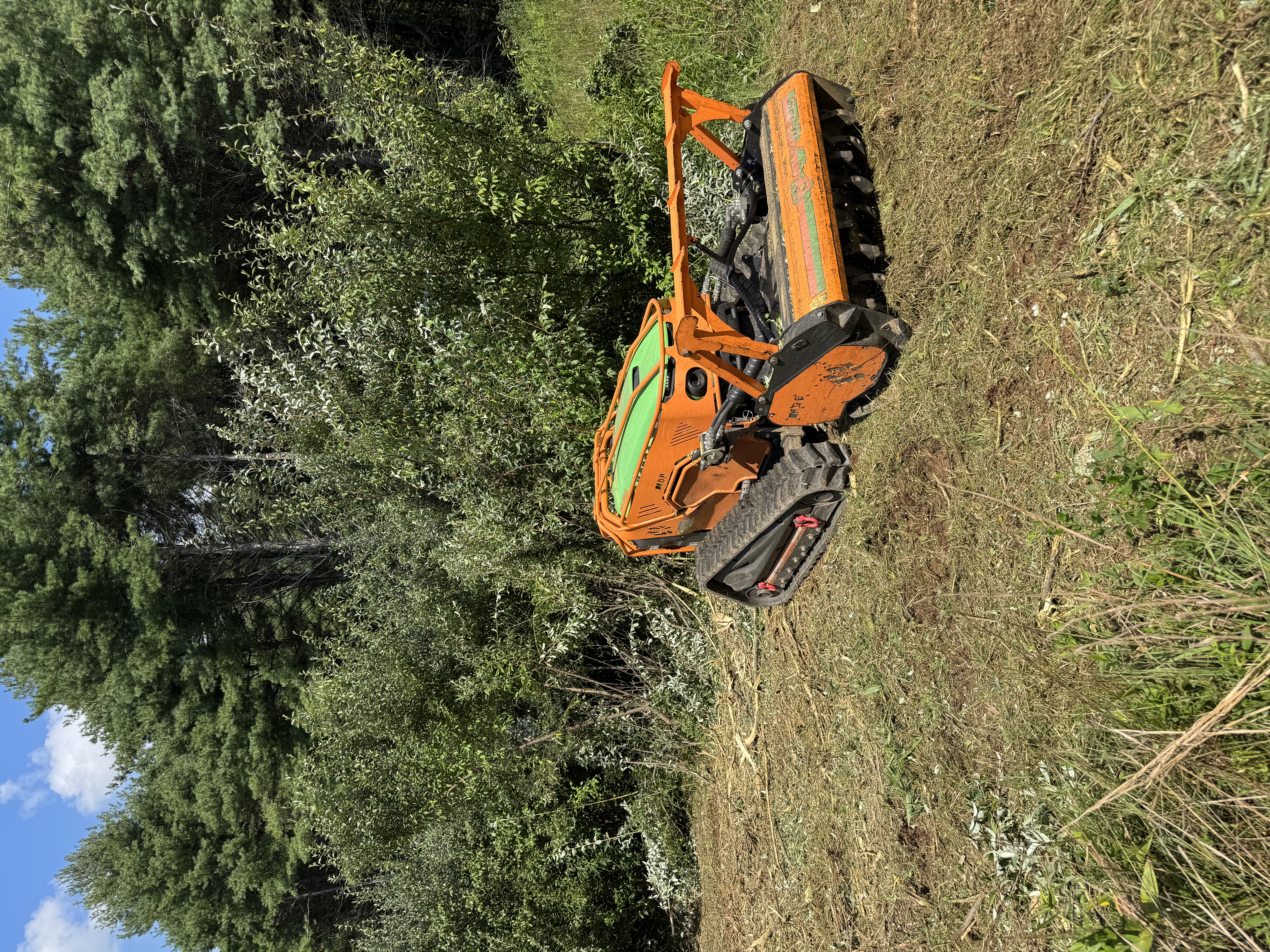
In conclusion, sustainable land use is a dynamic process that requires a comprehensive, forward-thinking approach. At Mountain Goat Land Management, our commitment to pioneering these strategies ensures that land is not only used productively today but preserved for generations to come. By integrating sustainable practices, leveraging technology, and fostering community partnerships, we can create a more balanced and resilient environment. Let’s cultivate a shared vision for the responsible stewardship of our priceless natural landscapes.
/filters:no_upscale()/filters:format(webp)/media/fb9845f9-90f5-4e95-8b69-6be4ea7ae1ea.jpeg)
/filters:no_upscale()/filters:format(webp)/media/f827ac21-9e11-4f9e-8b27-63bf5b2b2f3d.jpg)