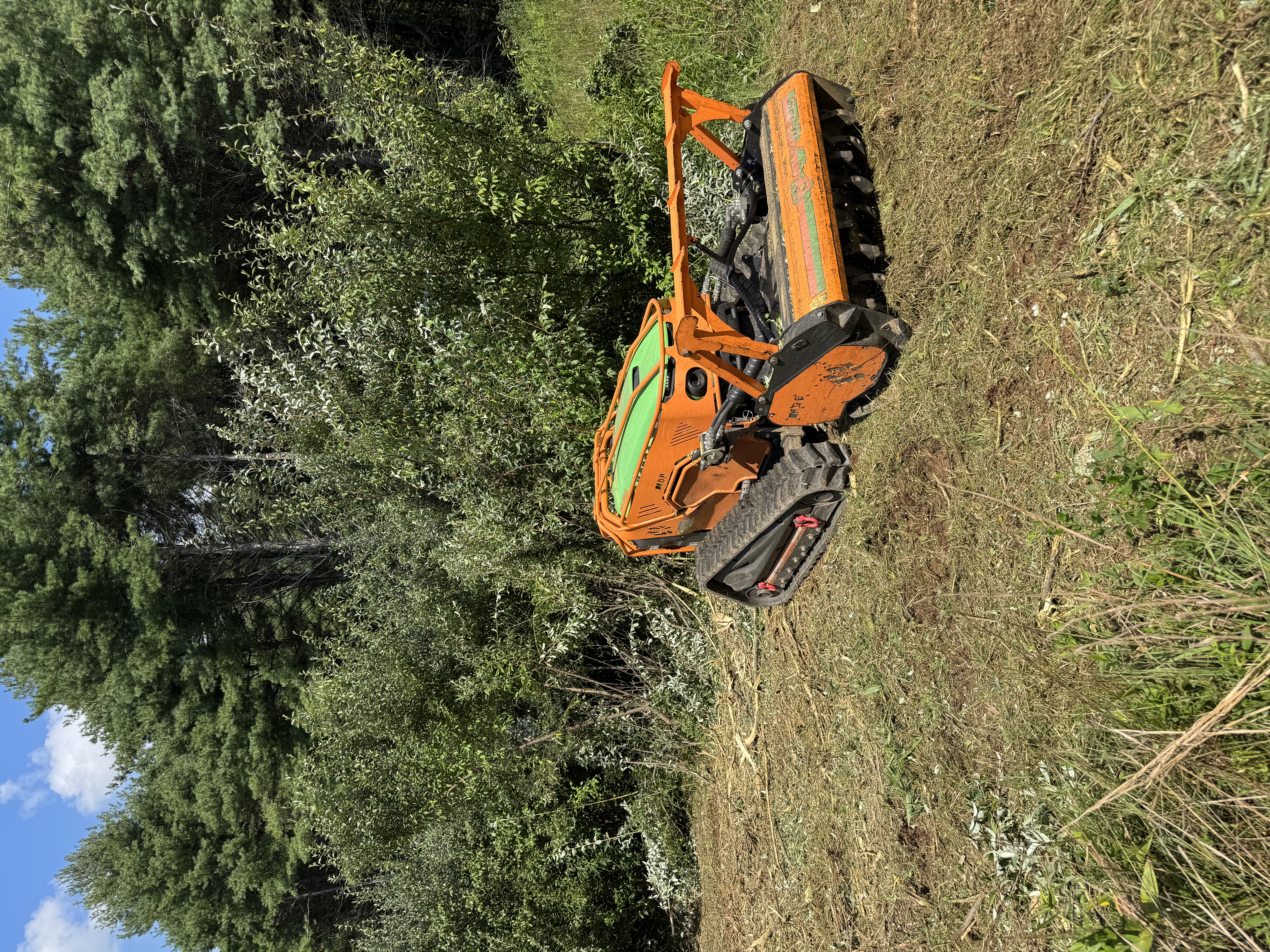
Sustainable Practices for Effective Land Management Mar 09, 2026
At the heart of sustainable land management is the understanding that land is a finite resource and must be used wisely. Effective land management involves various practices that aim to balance the needs of the environment, the economy, and the community. By adopting these practices, land management companies can ensure that land resources are not only protected today but remain viable for future generations.
One of the most crucial aspects of sustainable land management is the optimization of land use. This involves assessing land capabilities and limitations, which allows land managers to propose plans that maximize productivity without degrading the ecosystem. This assessment is vital for making informed decisions about activities such as agriculture, construction, and recreation.
Another vital practice is soil conservation. Healthy soil is the foundation of any thriving land ecosystem. Mountain Goat Land Management employs techniques like crop rotation, no-till farming, and the use of cover crops to maintain soil health. These practices reduce soil erosion, improve water retention, and enhance nutrient content, which in turn supports robust plant growth and biodiversity.
Water management is equally essential in sustainable land management. Responsible water use involves ensuring that water withdrawals do not exceed natural replenishment levels, preventing long-term depletion of water resources. Techniques such as rainwater harvesting, efficient irrigation systems, and the restoration of natural waterways are effective ways to not only conserve water but also enhance its quality.
Biodiversity conservation is another critical component. Ensuring a variety of plant and animal species in an area helps maintain ecological balance and resilience. This might include creating protected wildlife corridors or implementing pest management strategies that reduce reliance on chemical pesticides, thereby promoting a healthier ecosystem.
Furthermore, community engagement is paramount. Sustainable land management thrives on collaboration. Mountain Goat Land Management understands the importance of involving local communities in decision-making processes. By doing so, they can address community needs and harness local knowledge, ensuring that land management plans are accepted and successful.
Technological advancements also play a significant role in sustainable land management. The use of geographic information systems (GIS), drones, and remote sensing technology allows for precise planning and continuous monitoring of land and resources. These technologies provide data that help managers make better decisions and optimize land use efficiently.
In conclusion, sustainable practices in land management are essential for the long-term viability of land resources. By focusing on land optimization, soil and water conservation, biodiversity maintenance, community involvement, and technological applications, Mountain Goat Land Management is setting a standard for excellence in the industry. These practices not only contribute to environmental protection but also support economic development and community well-being.
As we continue to face global environmental challenges, adopting sustainable land management practices is not just a choice—it's a necessity. With companies like Mountain Goat Land Management leading the way, we can look forward to a future where land is managed with respect and foresight, ensuring its health and productivity for generations to come.
/filters:no_upscale()/filters:format(webp)/media/fb9845f9-90f5-4e95-8b69-6be4ea7ae1ea.jpeg)
/filters:no_upscale()/filters:format(webp)/media/f827ac21-9e11-4f9e-8b27-63bf5b2b2f3d.jpg)